Our Art Program
We bring different perspectives to the table, but we’re united by a love for purposeful work, thoughtful design, and real connection.
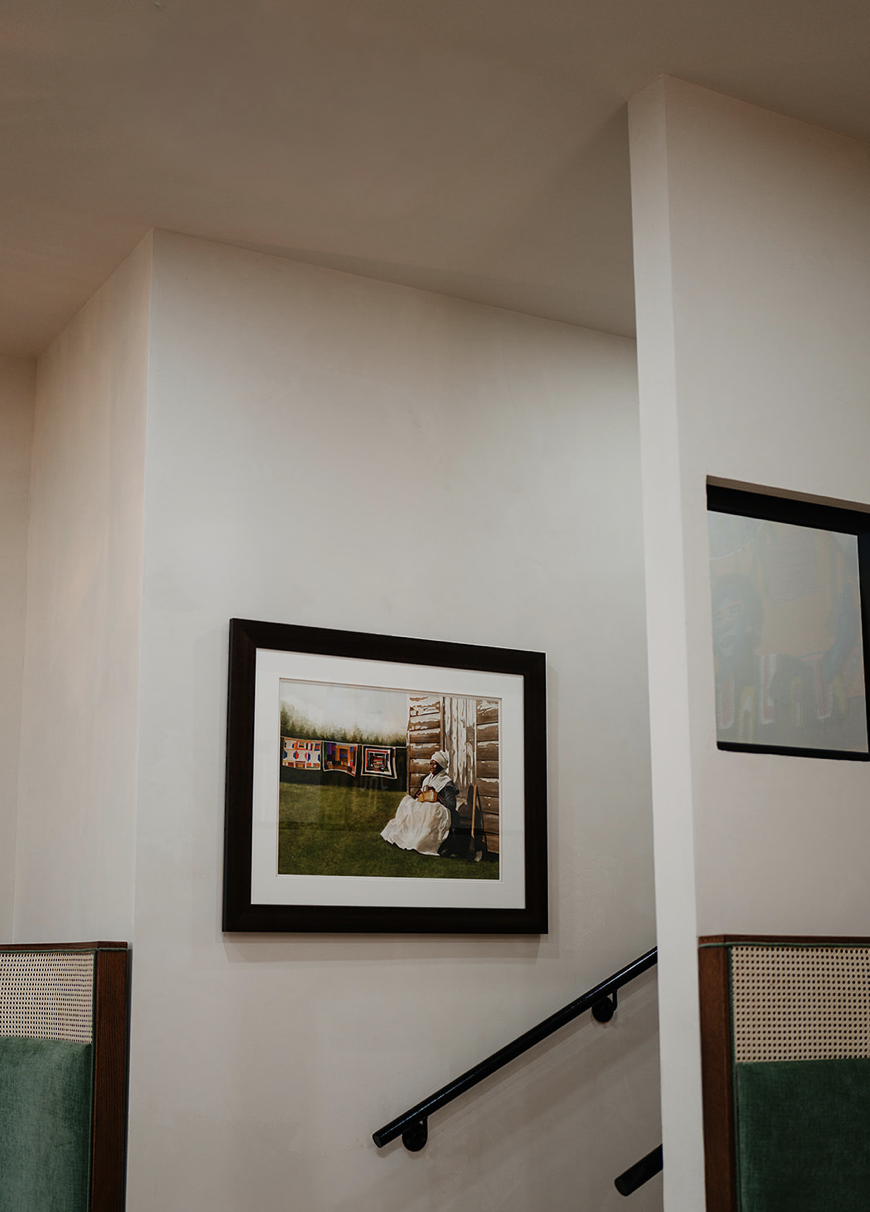
Lounge
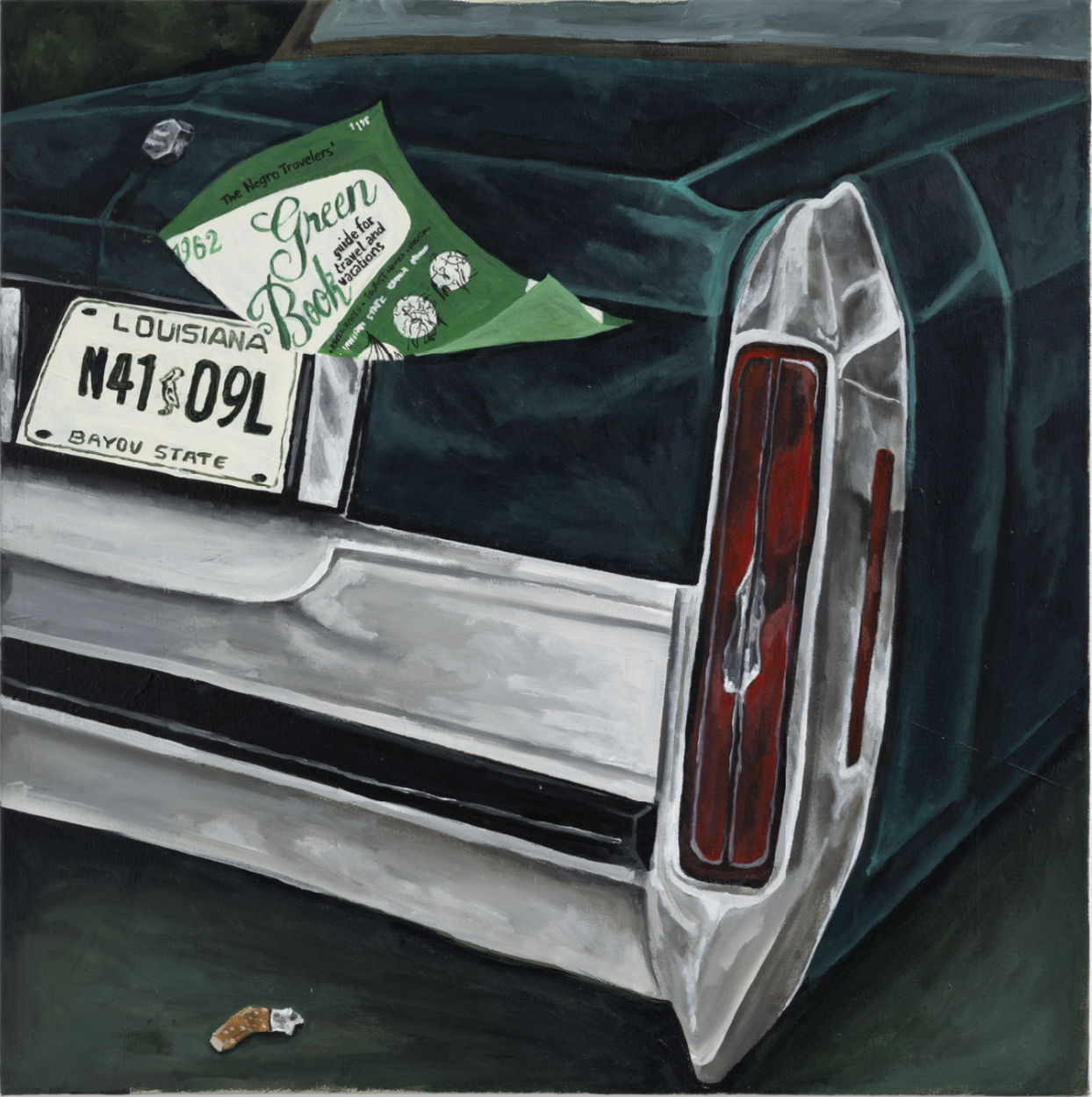
Flying Pieces
-Auudi Dorsey
With a Green Book hanging from the trunk, Flying Pieces evokes movement, safe passage, and the journey toward somewhere new. Positioned between the lounge and hallway, the work becomes a symbolic point of departure and an invitation to carry our histories with us as we move forward.
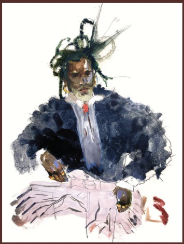
Anansi
-Demetri Burke
Drawing its name from Anansi, the trickster and storyteller of West African and Caribbean folklore, Burke’s work speaks to the power of stories to travel across generations and geography. Here, Anansi becomes a symbol of the stories we inherit, reshape, and ultimately pass forward.
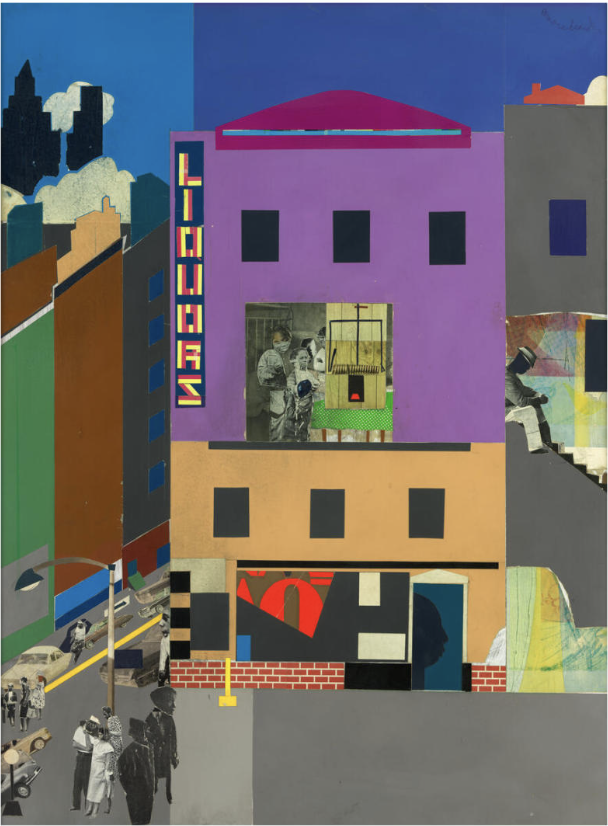
The Block
-Romare Bearden
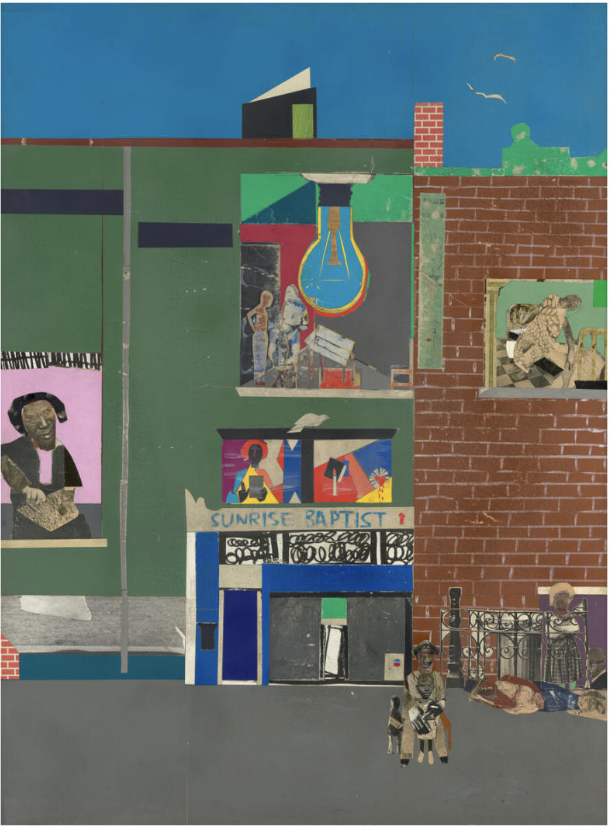
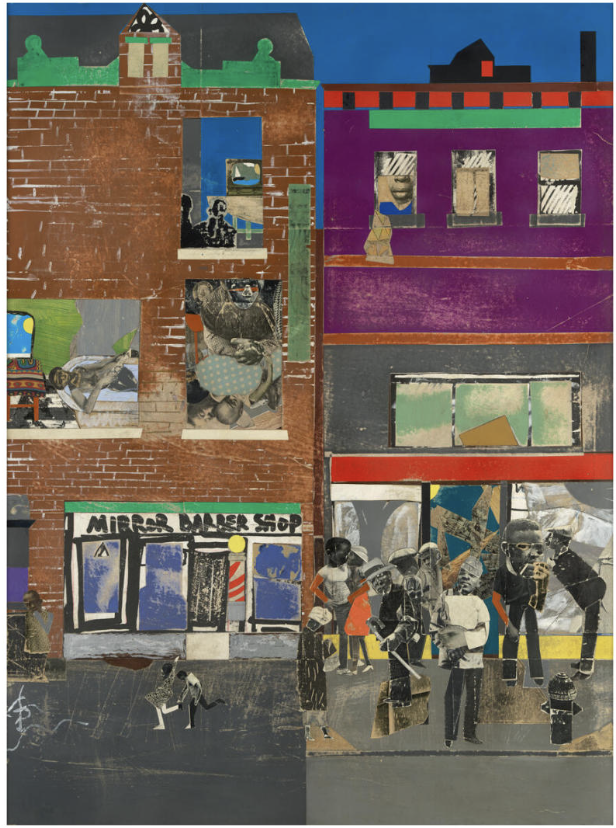
Inspired by Harlem, Bearden’s The Block transforms the neighborhood into a collage of homes, storefronts, people, and private moments. Each window and doorway holds its own story, reflecting how heritage is built not only through history, but through the everyday lives of a community.
Toast
-Ammie Holmes
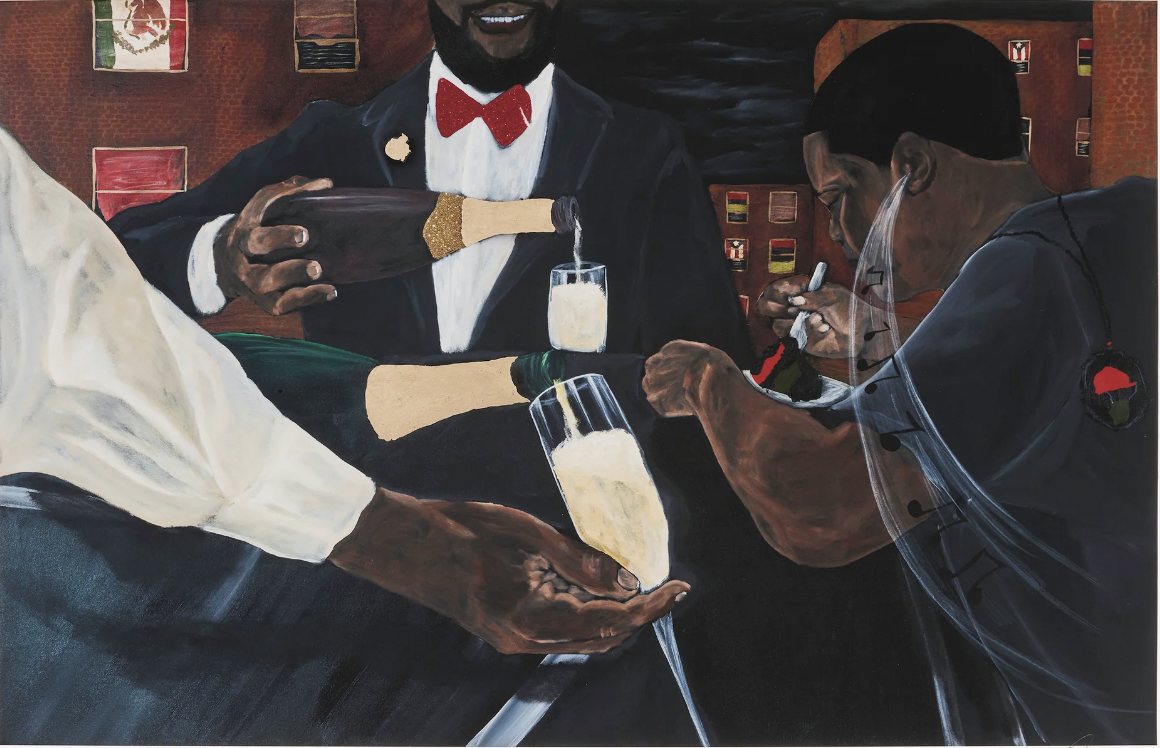
Three figures gather around champagne and a cake layered in the Pan-African colors of red, black, and green. Beneath the celebration, Holmes considers the complicated experience of finding success while remembering those who have not been afforded the same opportunity. At Heritage, Toast becomes a celebration that carries memory with it.
The Party Can’t Done
-Curtis Talwst Santiago
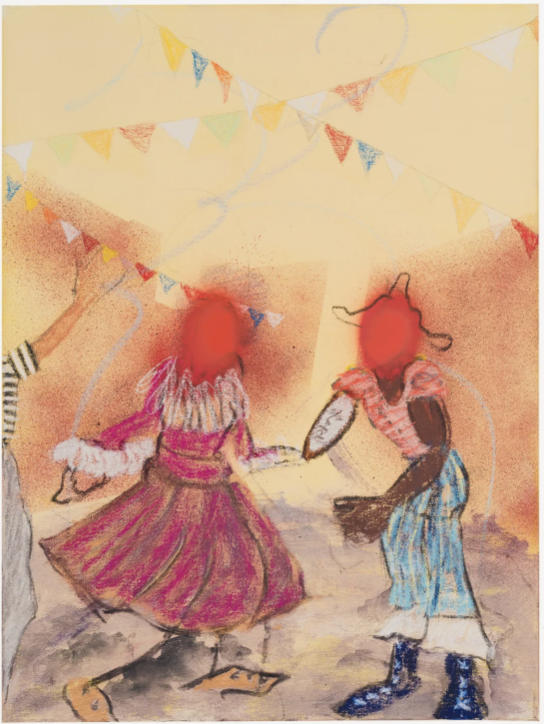
Rooted in Santiago’s memories of J’ouvert and Carnival in Trinidad, The Party Can’t Done considers celebration as an inheritance of its own. Movement and joy converge in a work that reminds us that heritage survives not only through what we remember, but through the traditions we continue to practice.
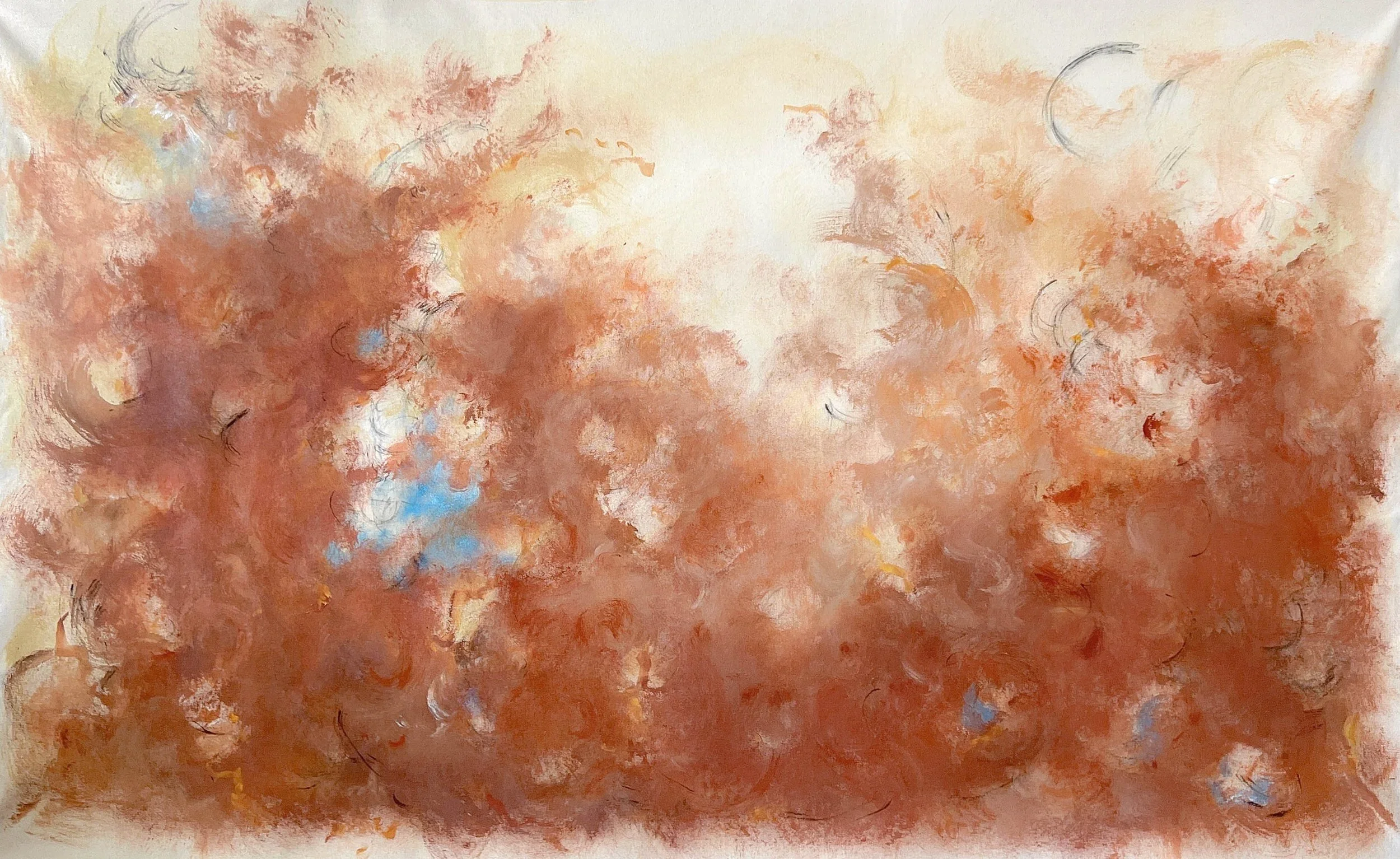
Through The Fires We Found Purpose
-Aaron Monu
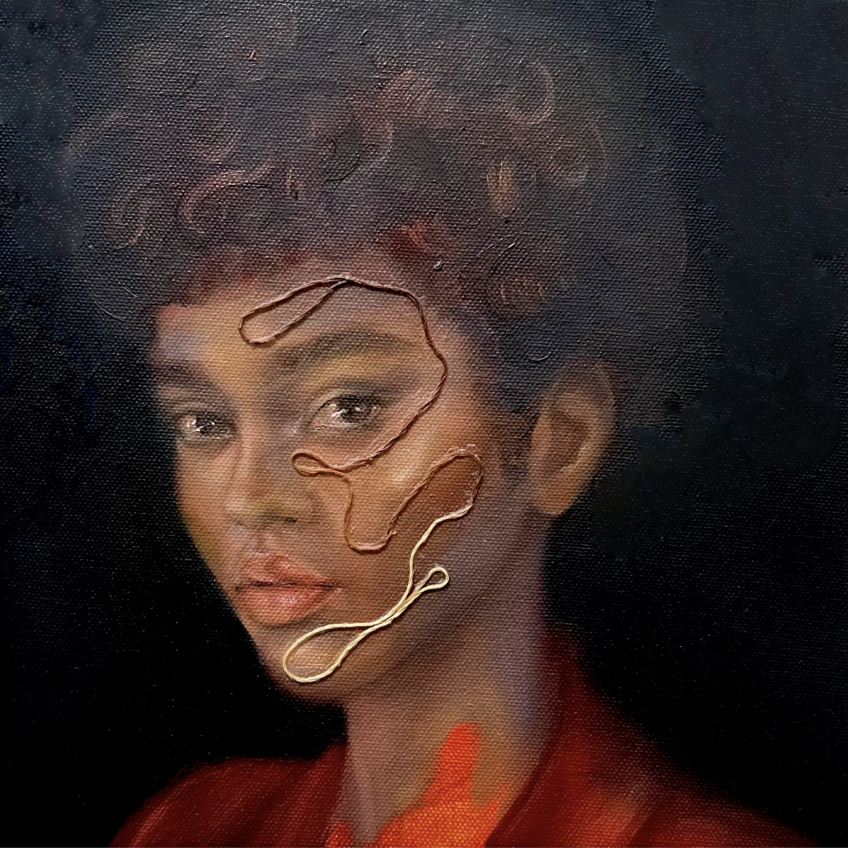
Before the world Settle
-Rugiyatou Jallow
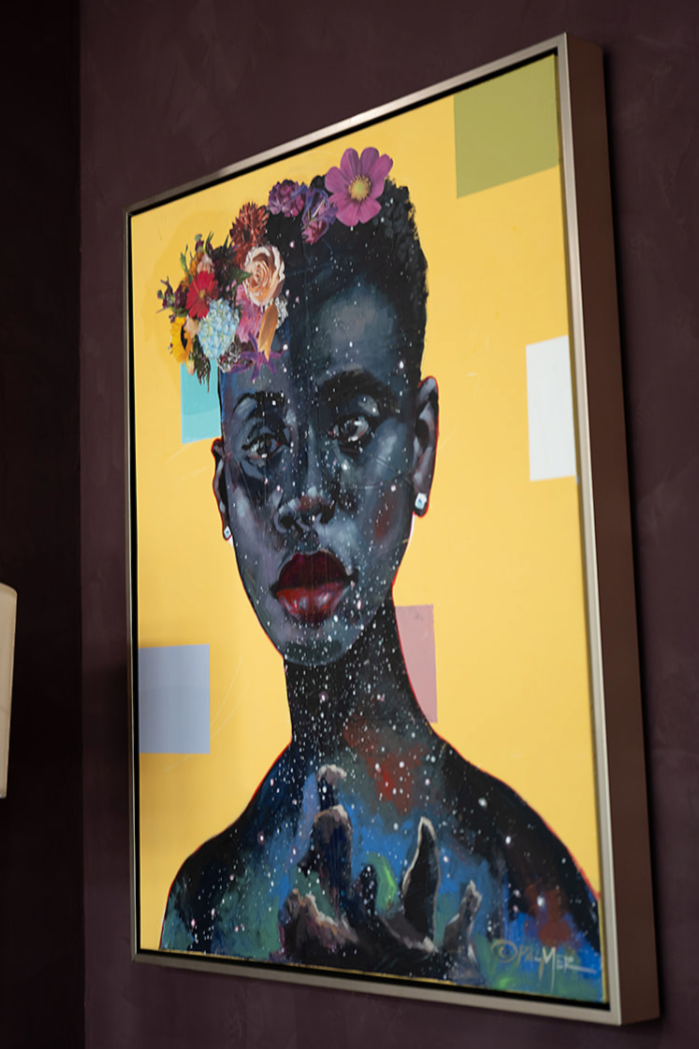
Miss Galaxy
-Charly Palmer
Hallway
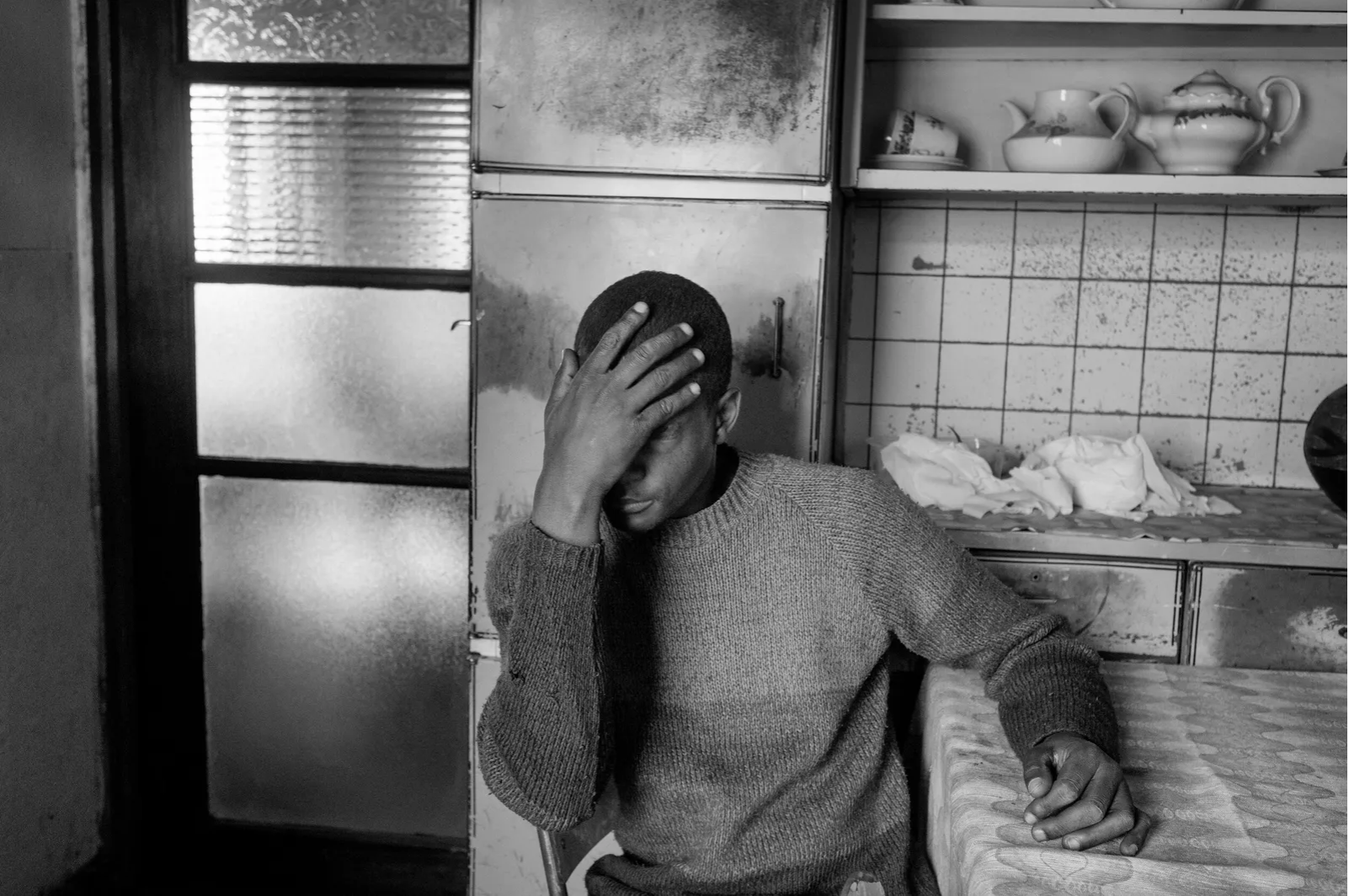
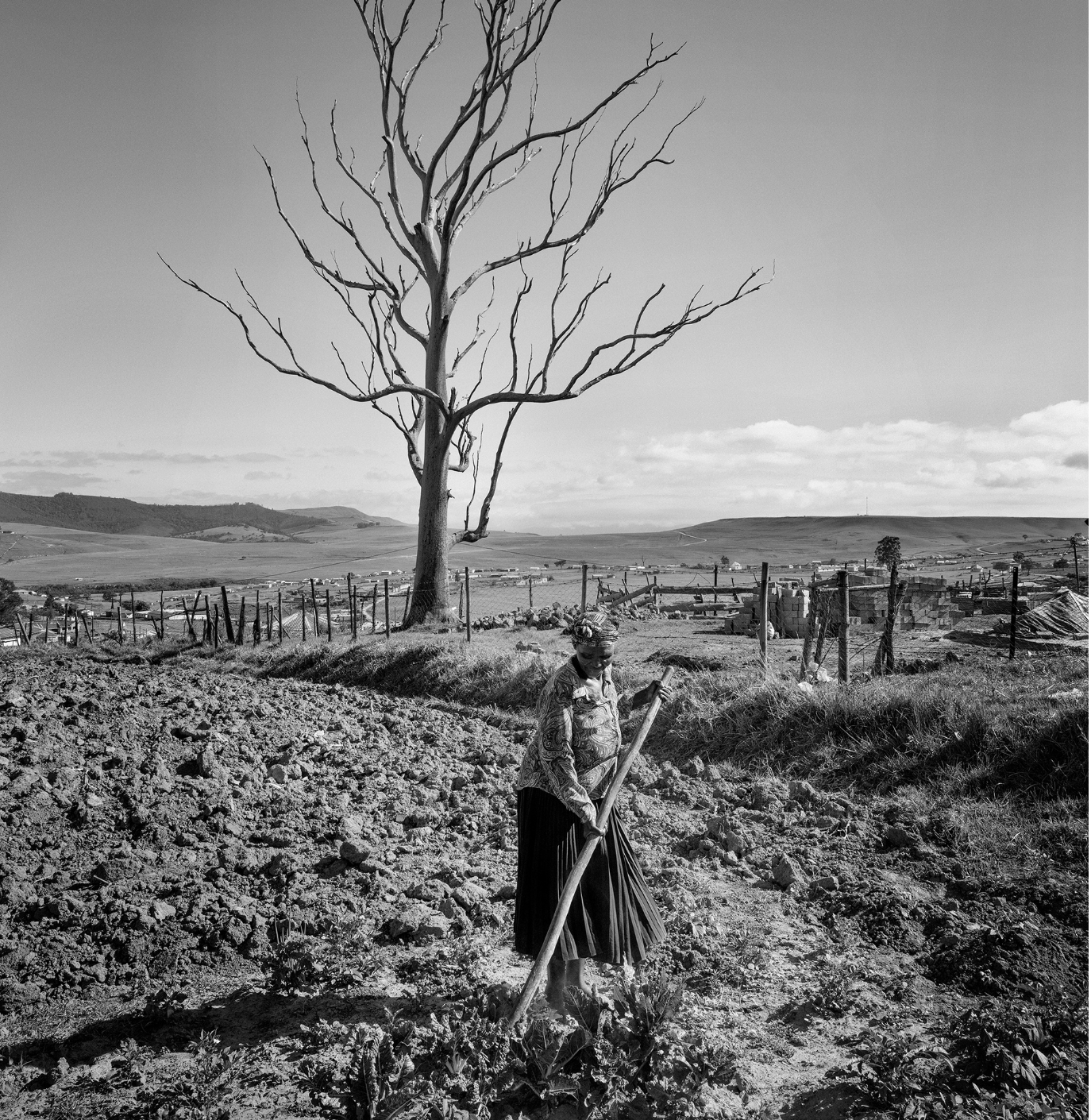
Mzwandile at Home & Makhulu Ehlakula Egadini
-Lindokuhle Sobekwa
Sobekwa turns his camera toward home, family, and the quiet moments through which identity is formed. Makhulu Ehlakula Egadini, depicting his grandmother, emerged from the artist’s journey into his own family history and ancestral connections to South Africa’s Eastern Cape. Together, the photographs consider home as both a physical place and something carried through memory and lineage.
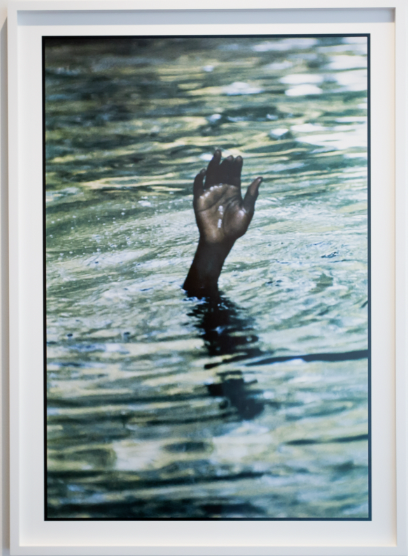
Untitled
-Gordon Parks
A hand appears to both emerge from and disappear beneath the surface of the water. Within Heritage, the image is read through the duality of water as a site of danger and trauma, but also cleansing, renewal, and rebirth. It captures the tension at the center of the hallway: what we have survived and what we continue to emerge from.
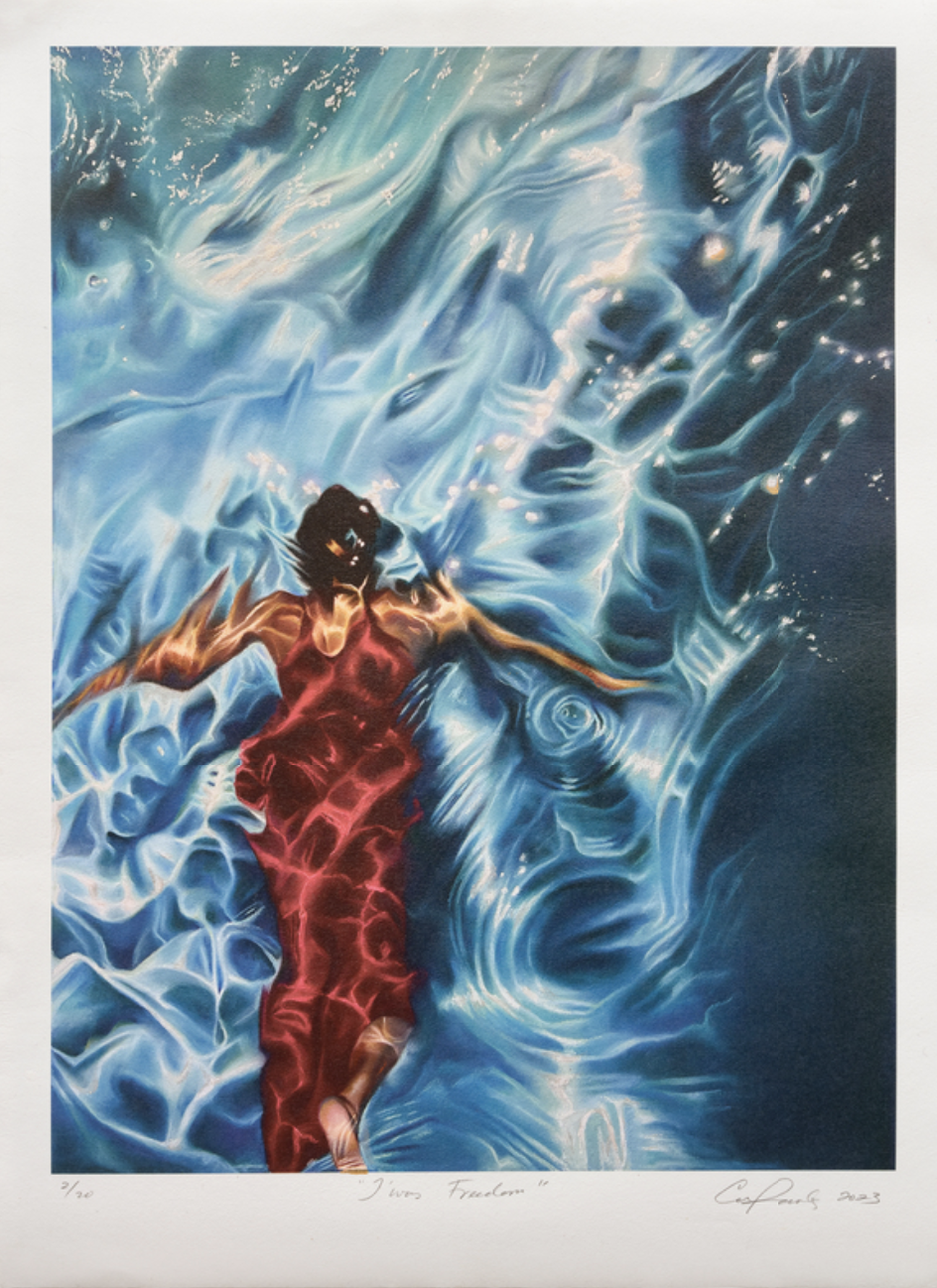
T’was Freedom
-Calida Rawles
Rawles frequently uses water as a space in which the Black body can be reconsidered and reimagined. As the final work in the hallway, T’was Freedom transforms water from something historically associated with passage and loss into a place of possibility. It marks the end of the hallway’s introspection and the beginning of the dining room’s color, vitality, and celebration.
Dining Room
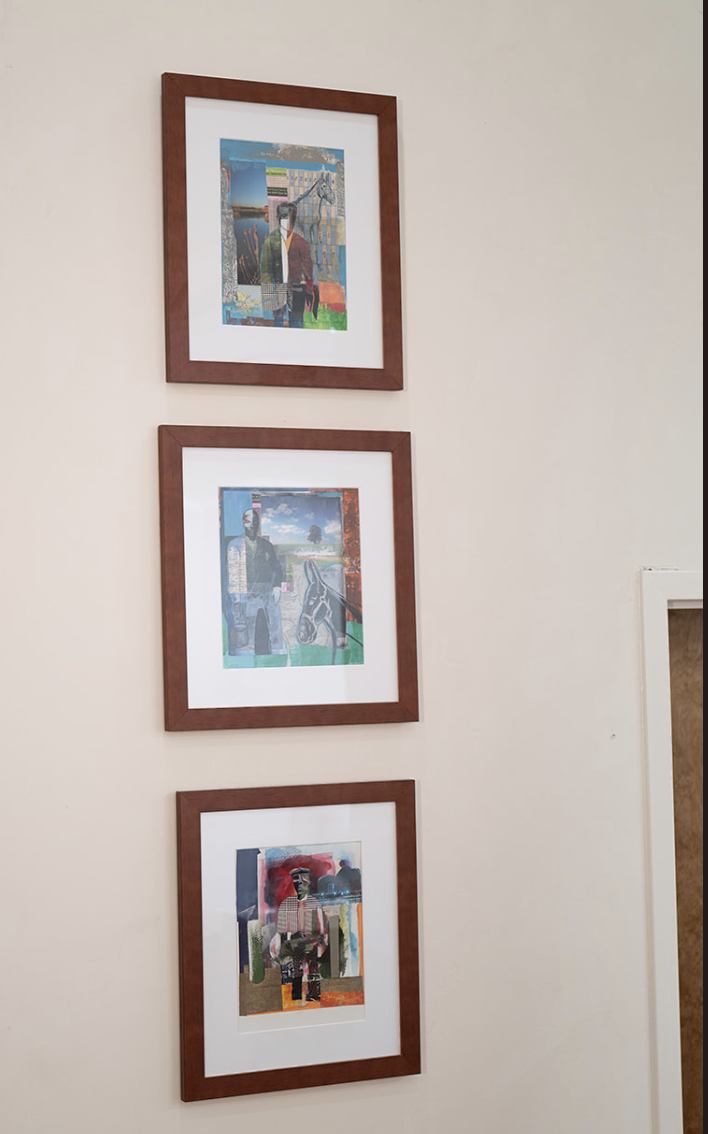
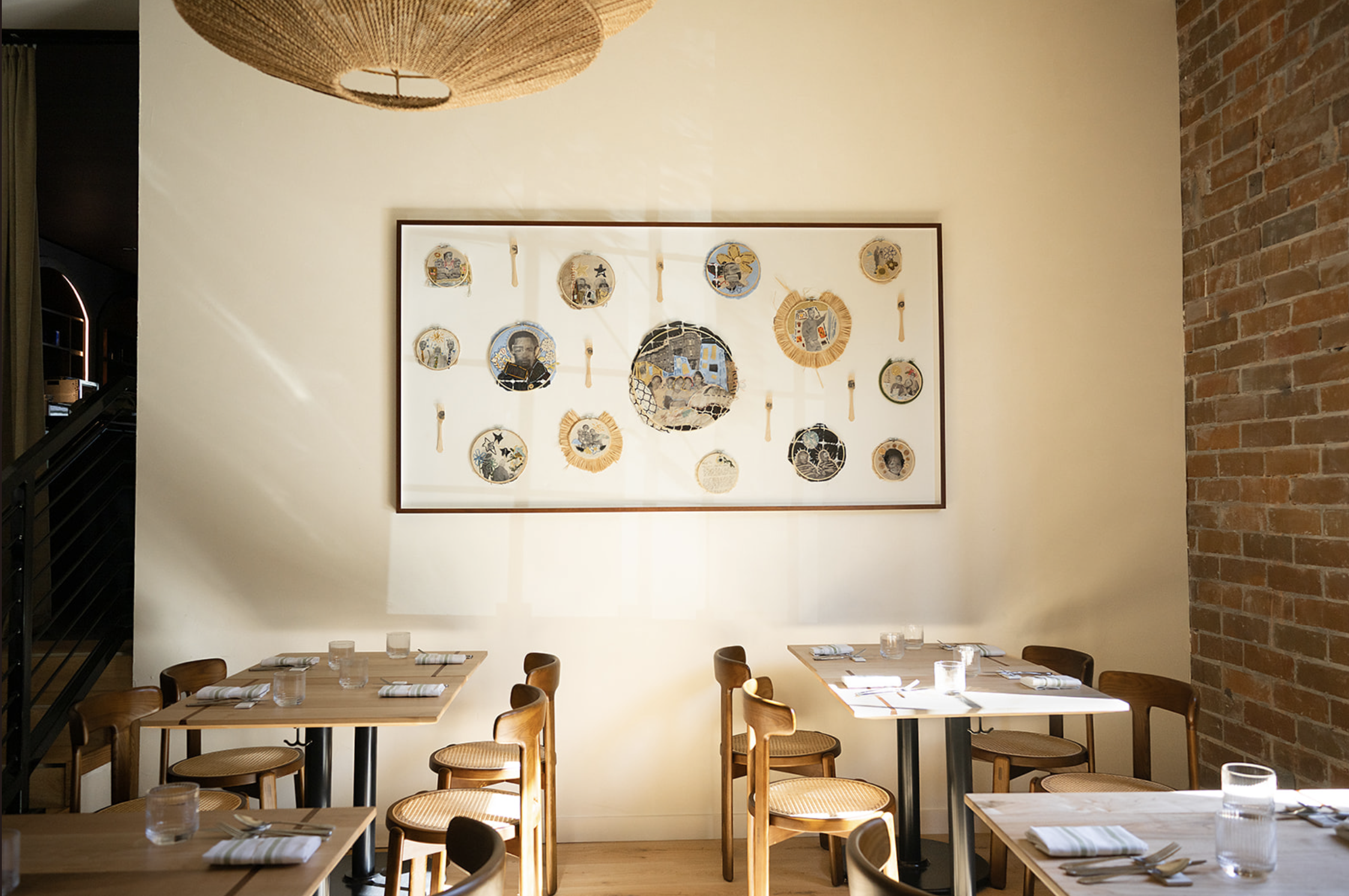
East River / The Work of My Own Hands / Special Field Order 15 pt. 2 / Marshland
-Georgette Baker
Drawing from the visual language of collage, Baker pieces together fragments of history, land, labor, and Black life. Her works echo the tradition of Romare Bearden elsewhere in the collection while creating a contemporary language of their own, which reminds us that heritage is assembled from what we inherit, what we remember, and what we make anew.
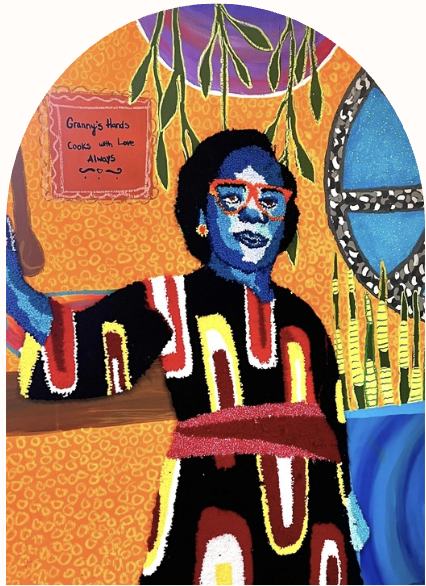
Grandma’s Hands
-Honey Pierre
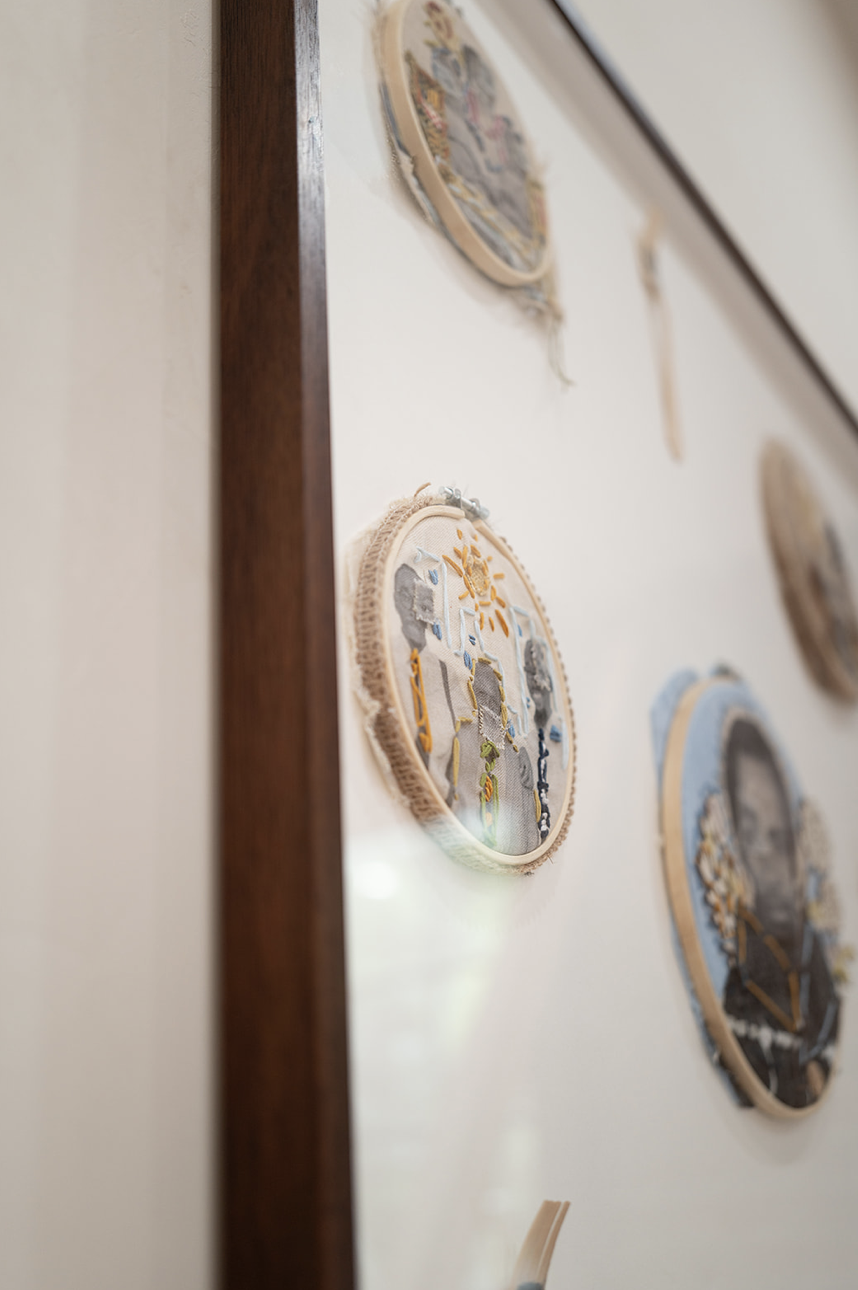
A depiction of Chef Demetrius Brown’s grandmother, Grandma’s Hands represents what home holds: tradition, community, familiarity, comfort, and heritage. The piece serves as a reminder of how powerful knowing where we come from can be, while honoring those who help shape our individual journeys.
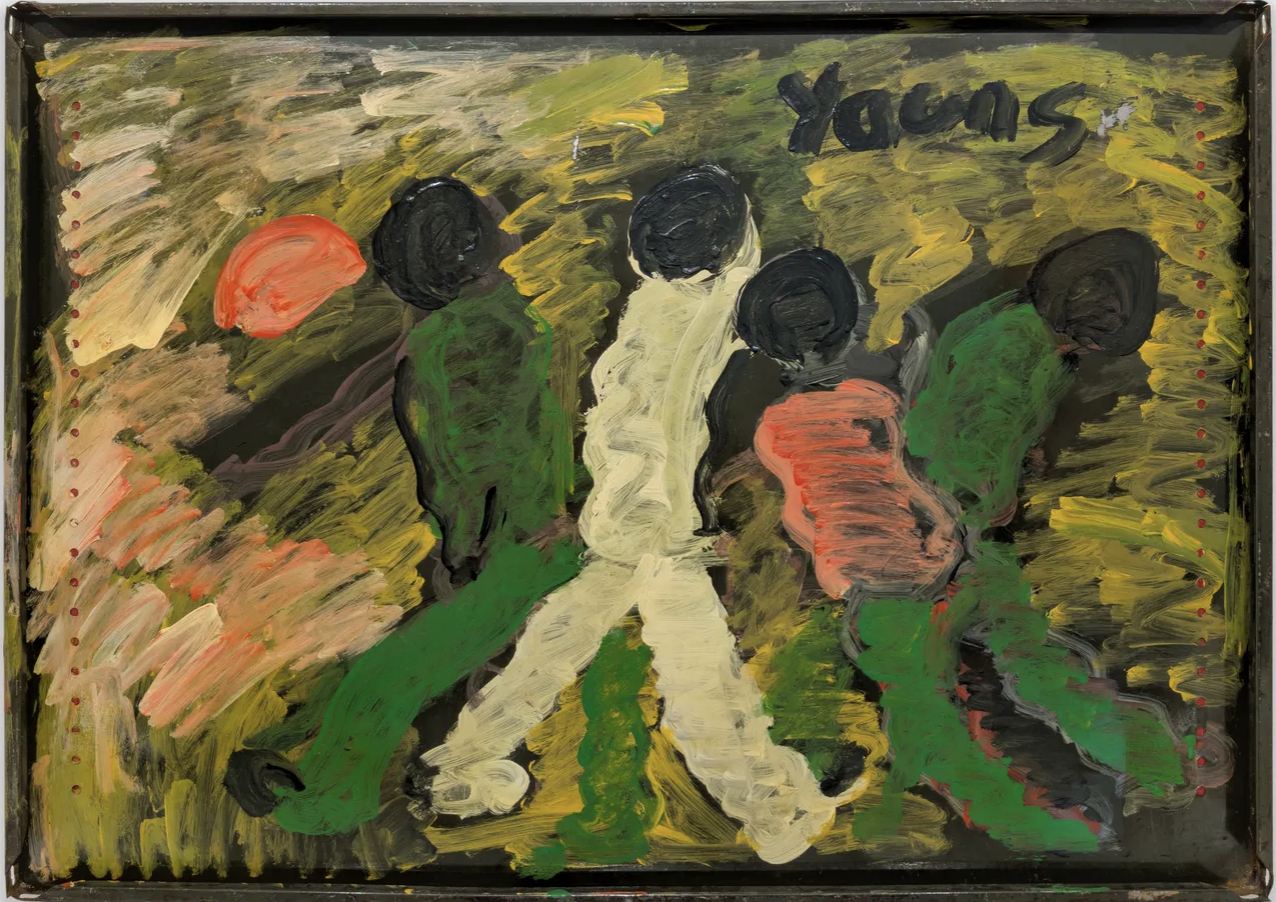
Untitled
-Purvis Young
Working largely with found and discarded materials, Purvis Young documented the people, struggles, movement, and spirit of his Overtown, Miami community. His work transforms the overlooked into something worthy of preservation; a fitting reflection of heritage as the act of recognizing value in the people, places, and stories that might otherwise be forgotten.``
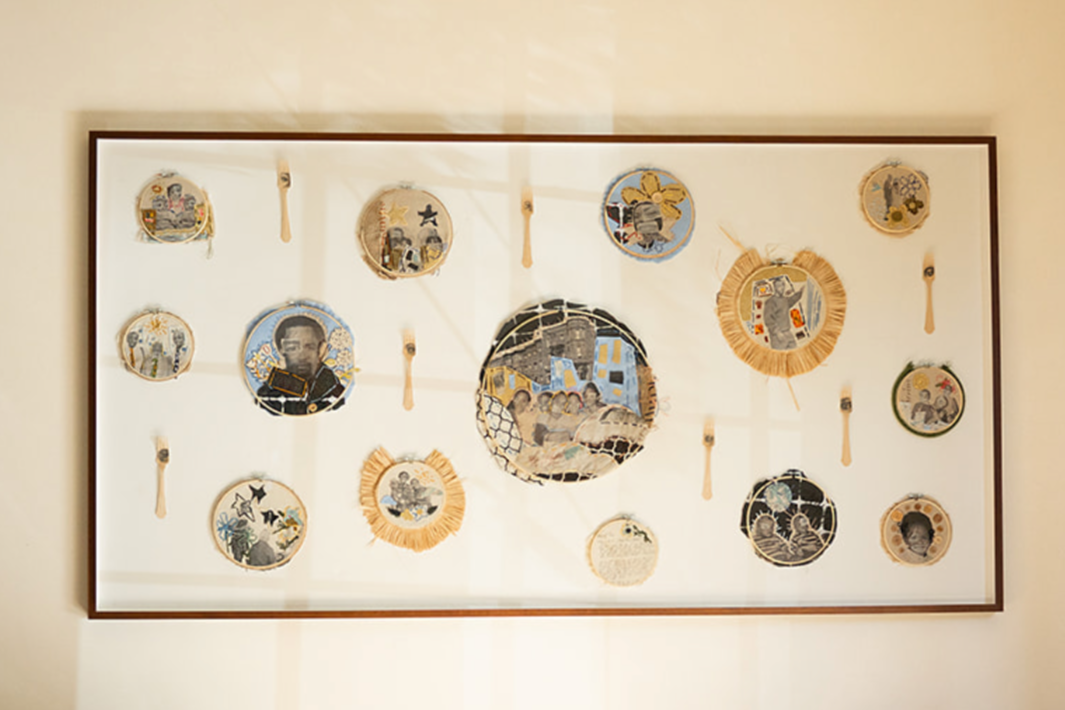
Chef’s Recipe
-Charity Hamidullah
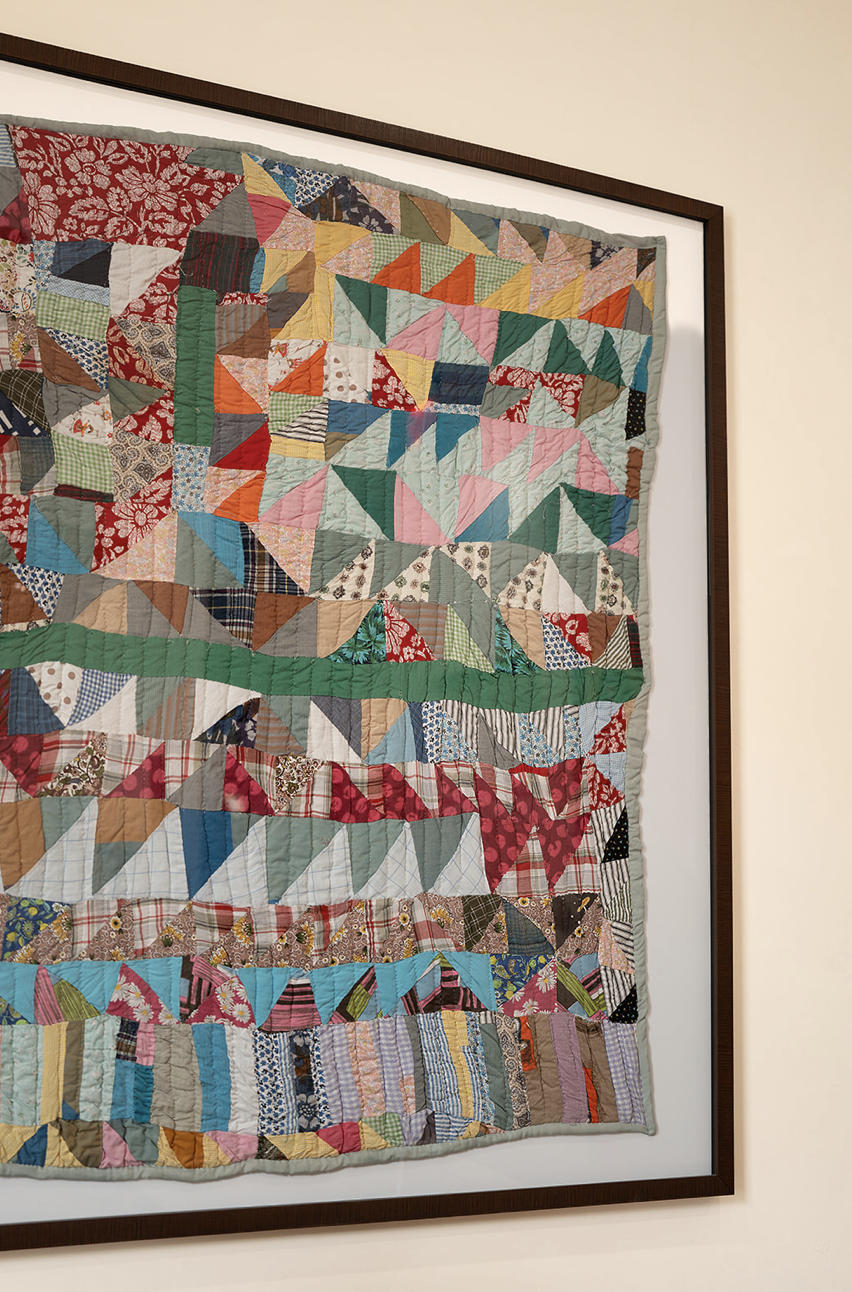
For generations, the women of Gee’s Bend, Alabama, have transformed available materials into quilts remarkable for their improvisation, geometry, and individuality. Techniques passed through families turned an object of necessity into a vessel for memory, ingenuity, and artistic expression. Within Heritage, the quilt reminds us that what is made by hand can also carry history from one generation to the next.
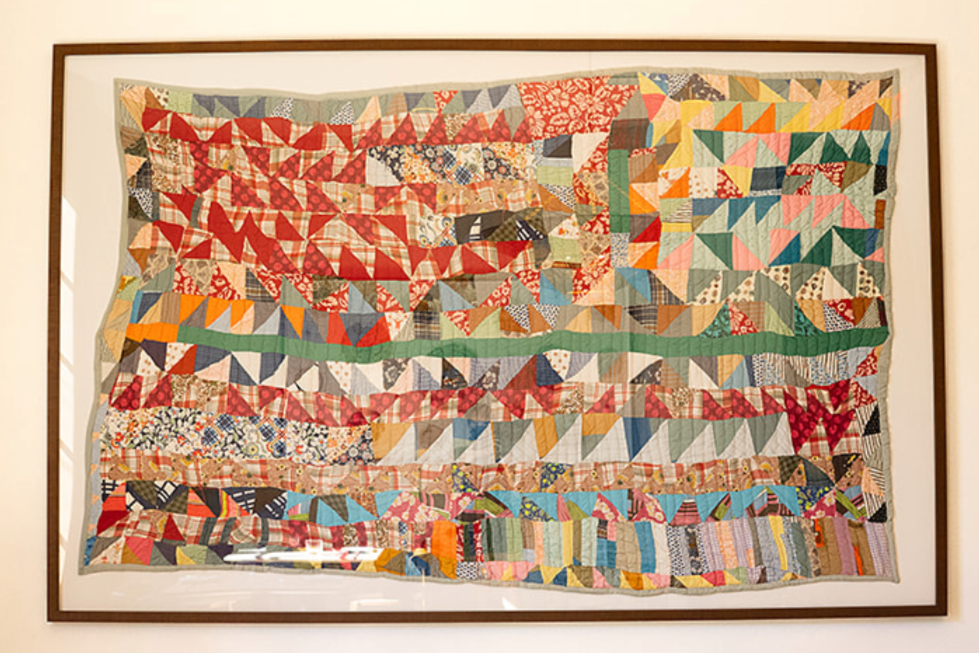
Pettway Family Quilt
-CharitGee’s Bend
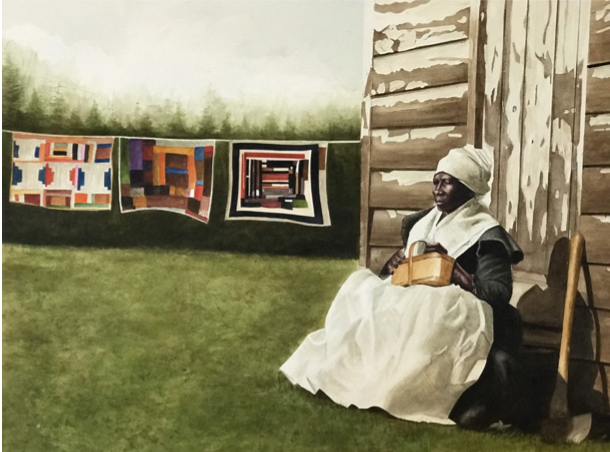
Quilt maker Series #20
-E. Richard Clark
Meet the Curator
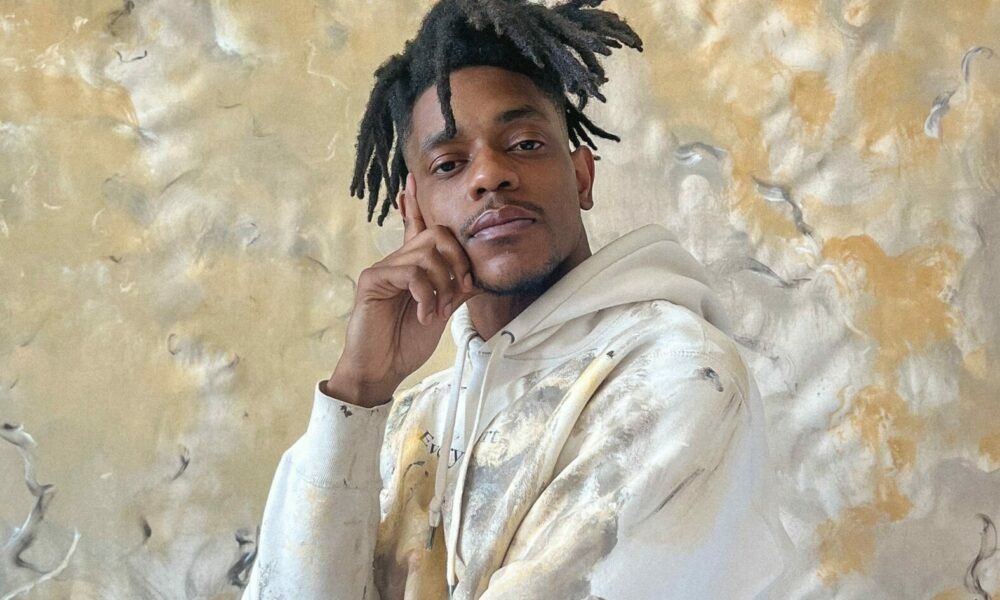
Aaron Monu is an artist, connector, and creative whose practice explores the relationship between art, place, memory, and culture. Working across fine art, the built environment, and cultural programming, his work is rooted in the belief that the spaces we inhabit can become vessels for storytelling.
As a curatorial connector, Aaron has contributed to projects across hospitality, multifamily, workplace, mixed-use, residential, public art, and civic environments throughout the United States. His project experience includes Heritage Supper Club, The Juniper & The Reserve in Atlanta, Gateway Jax in Jacksonville, Modera Fort Lee in New Jersey, and Alta Mile High in Denver, to name a few. His broader creative work has included collaborations and projects for Atlanta Art Week, Select Few Dinner Club, Billy Reid, and Musika Frère.
Through his curatorial approach, Aaron works to excavate the hidden narratives of place and give them form. Central to this work is a commitment to expanding whose stories and creative voices are represented within the spaces we share. Rather than treating art as decoration, Aaron approaches curation as an opportunity to create dialogue between the artist and the physical environment within communities that give it meaning.
The Vision
The art program at Heritage explores the many ways stories of the African Diaspora are carried forward through family, migration, labor, ritual, memory, and the simple act of gathering together.
Bringing together artists across generations and geographies, the collection moves between historical reflection and contemporary expression. Photography, painting, textile, and mixed media place artists from various generations in conversation, with their work reflecting the multiplicity of the Diaspora and tracing connections between the American South, Africa, and the many places Black life and culture have taken root.
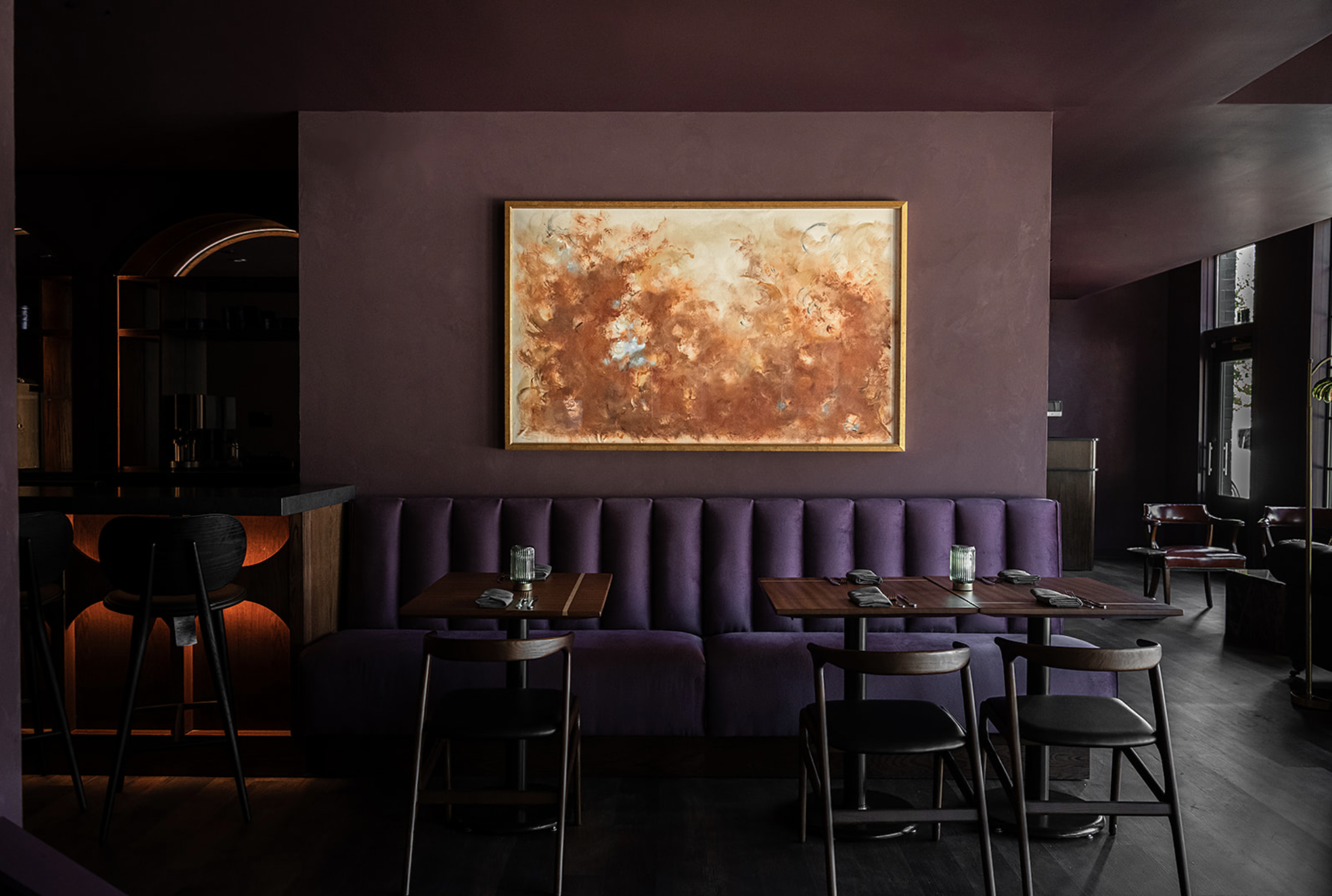
The experience unfolds throughout Heritage. The warmth and familiarity of the lounge evokes the atmosphere of a Harlem brownstone, with works reflecting community, resilience, leisure, and the expansiveness of character. From there, the collection moves into a quieter, more contemplative hallway, where primarily monochromatic works explore themes of labor, movement, land and ocean, and liberation.
Entering the dining room, the collection shifts into a more colorful, tactile expression. Textile, wood, metal, painting, and mixed media speak to the diversity of culture across the Diaspora, celebrating heritage, craftsmanship, ingenuity, and triumph over adversity. Set alongside the open kitchen, these works create a natural dialogue between art and food, two forms of making with the ability to carry memory, preserve tradition, and bring people together.
Contact Us